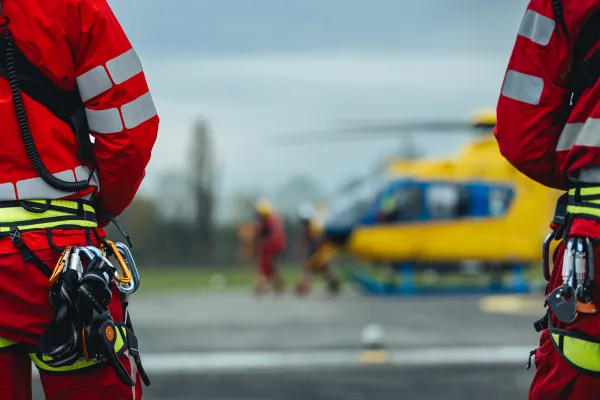
Healing Beyond the Badge: Exploring Holistic Therapies for First Responders
For first responders, the badge represents courage, sacrifice, and an unwavering commitment to serving others. Police officers, firefighters, paramedics, dispatchers, military personnel, and correctional officers dedicate their lives to protecting their communities, often stepping into situations most people hope never to experience.
Yet behind every badge is a person carrying the emotional and physical weight of the job. Long shifts, traumatic calls, and constant pressure can leave invisible scars that linger long after the uniform comes off. Healing is not simply about continuing to perform your duties—it is about caring for the person beneath the title.
At The Phoenix Foundation, we believe that healing extends beyond traditional approaches. Holistic therapies offer first responders additional pathways to process trauma, manage stress, and reconnect with themselves on a deeper level. These practices do not replace conventional treatment; rather, they complement it by addressing the mind, body, and spirit as interconnected parts of the healing journey.
Why Holistic Healing Matters
Traditional mental health treatments often focus primarily on thoughts and emotions. While these approaches are valuable, trauma does not exist solely in the mind. Stress can manifest physically through chronic pain, disrupted sleep, muscle tension, digestive issues, and persistent fatigue.
For first responders, repeated exposure to high-pressure situations can leave the nervous system trapped in a state of hypervigilance. Even after the shift ends, the body may continue to operate as though danger is still present.
Holistic healing recognizes that recovery involves more than talking through difficult experiences. It seeks to restore balance by helping individuals reconnect with their bodies, regulate their emotions, and cultivate a sense of safety and peace.
This approach can help first responders:
Reduce stress and anxiety
Improve sleep and physical well-being
Release tension stored in the body
Strengthen emotional resilience
Develop healthier coping strategies
Foster a deeper sense of self-awareness
Ultimately, holistic healing is about moving beyond survival and creating space to truly thrive.
Trauma-Informed Yoga: Reconnecting Mind and Body

Trauma-informed yoga combines gentle movement, breathing exercises, and mindfulness practices to help individuals reconnect with their bodies in a safe and supportive environment.
Many first responders spend years disconnecting from their physical and emotional experiences simply to get through difficult situations. Trauma-informed yoga offers an opportunity to slow down and rebuild that connection.
Unlike traditional fitness classes, trauma-informed yoga emphasizes choice and self-awareness. Participants are encouraged to move at their own pace, listen to their bodies, and focus on how they feel in the present moment.
Benefits may include:
Reduced muscle tension
Improved sleep quality
Better stress management
Increased emotional regulation
A greater sense of calm and safety
For those carrying the physical effects of chronic stress, yoga can be a powerful tool for healing.
Reiki and Energy Healing: Finding Balance
The emotional demands of emergency work can leave first responders feeling depleted and overwhelmed. Reiki and other energy-based therapies aim to restore balance and promote relaxation.
Reiki is a gentle practice in which a trained practitioner uses light touch or places their hands near the body to encourage a sense of calm and well-being. Many participants report feelings of warmth, peace, and emotional release during sessions.
Although experiences vary from person to person, Reiki may help:
Ease stress and anxiety
Promote deep relaxation
Encourage emotional healing
Support overall wellness
For first responders who find it difficult to discuss their experiences openly, energy healing can offer a quiet and restorative alternative.
Art and Music Therapy: Expressing What Words Cannot
Some experiences are difficult to put into words. Art and music therapy provide creative outlets for processing emotions that may feel impossible to explain.
Art therapy uses drawing, painting, sculpting, and other forms of creative expression to explore feelings and experiences. Music therapy may involve listening to music, playing instruments, or using rhythm and sound to regulate emotions.
These therapies are not about artistic talent or performance. They are about creating a safe space to express emotions without judgment.
Creative therapies can help first responders:
Process traumatic experiences
Reduce stress and anxiety
Improve emotional awareness
Build healthy coping skills
Foster a sense of accomplishment and self-expression
Sometimes healing begins not with conversation, but with creativity.
Equine Therapy: Building Trust Through Connection
Horses possess an extraordinary ability to respond to human emotions. Equine therapy offers first responders a unique opportunity to develop trust, self-awareness, and emotional resilience.
Working with horses requires presence and authenticity. These animals respond to subtle cues in body language and energy, providing immediate and honest feedback.
For individuals who struggle to express vulnerability, equine therapy creates a non-judgmental environment where healing can unfold naturally.
Benefits may include:
Increased self-confidence
Improved emotional regulation
Enhanced communication skills
Stronger interpersonal connections
Greater trust in oneself and others
Healing does not always happen in an office. Sometimes, it happens in a quiet barn, alongside a trusted companion.
EMDR: Reprocessing Trauma
Eye Movement Desensitization and Reprocessing (EMDR) is an evidence-based therapy designed to help individuals process traumatic memories.
Trauma can cause certain experiences to become "stuck," triggering intense emotional reactions long after the event has passed. EMDR helps the brain reprocess these memories so they lose some of their emotional intensity.
During EMDR sessions, a trained therapist guides clients through bilateral stimulation techniques while revisiting difficult memories in a controlled and supportive setting.
EMDR has been shown to help:
Reduce symptoms of PTSD
Decrease anxiety and hypervigilance
Improve emotional regulation
Support long-term recovery from trauma
For many first responders, EMDR provides a path toward relief and renewed hope.
A Message of Hope

Imagine feeling lighter. Imagine waking up without carrying the full weight of yesterday’s experiences. Imagine rediscovering the person you were before trauma and stress began to define your world.
Healing beyond the badge does not mean forgetting what you have experienced. It means learning how to carry those experiences differently. It means recognizing that your value extends far beyond your profession and that you deserve support, compassion, and care.
To family members and friends, your encouragement can make all the difference. Share this information, start conversations, and remind your loved ones that seeking help is not a sign of weakness—it is a courageous step toward healing.
You have spent your life protecting others. Now it is time to invest in your own well-being.
