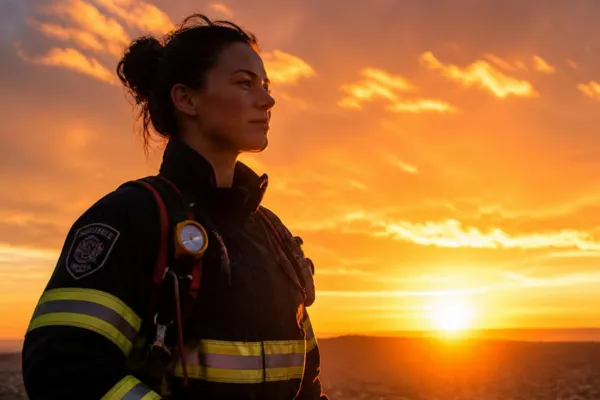
Faith in the Future: A New Perspective on Mental Health for First Responders
Every shift begins with uncertainty.
A police officer never knows what the next call will bring. A firefighter may leave home expecting a routine day only to face devastating loss. A paramedic witnesses some of life's most heartbreaking moments. Dispatchers absorb crisis after crisis through every call they answer. Correctional officers and military personnel operate in environments where stress is constant and vigilance never truly stops.
For many first responders, hope can slowly become overshadowed by the demands of the profession.
The weight of cumulative trauma, interrupted sleep, critical incidents, and years of carrying responsibility for others can make the future feel uncertain. Some begin to wonder if they'll ever feel like themselves again.
At The Phoenix Foundation, we believe something different.
We believe healing is possible.
We believe every first responder deserves access to care that meets them where they are.
Most importantly, we believe that even after the darkest chapters, there can still be faith in the future.
Why Hope Is an Essential Part of Healing
Trauma changes the way the brain works.
After repeated exposure to stressful events, the nervous system becomes trained to expect danger everywhere. Even while sitting safely at home, your body may continue reacting as though the next emergency is only seconds away.
This can lead to:
Hypervigilance
Anxiety
Sleep disturbances
Emotional numbness
Irritability
Difficulty connecting with loved ones
Loss of motivation
Feelings of hopelessness
Over time, many first responders stop believing that life can ever feel different.
That loss of hope can become just as painful as the trauma itself.
Healing begins when hope returns.
Not unrealistic optimism.
Not pretending everything is fine.
But believing that recovery is possible—even if you cannot yet see the entire path.
Healing Goes Beyond Managing Symptoms

Traditional mental health treatments have helped countless people.
Counselling, psychotherapy, medication, and peer support all have important roles in recovery.
However, healing isn't always one-dimensional.
Many first responders discover that although talk therapy helps them understand their experiences, their bodies continue carrying the physical effects of trauma.
The nervous system remembers.
The muscles remember.
Sleep patterns change.
Stress responses become automatic.
This is why holistic therapies have become such valuable complements to traditional mental health care.
Rather than focusing only on thoughts, holistic therapies help restore balance throughout the entire person—mind, body, and spirit.
Holistic Therapies That Help Restore Hope
At The Phoenix Foundation, every treatment plan is individualized because no two healing journeys are the same.
Some therapies that may help include:
EMDR (Eye Movement Desensitization and Reprocessing)
Traumatic memories often become "stuck" inside the brain.
EMDR helps the brain reprocess these memories so they no longer trigger overwhelming emotional responses.
Many first responders report feeling relief without having to repeatedly relive every traumatic event.
Reiki
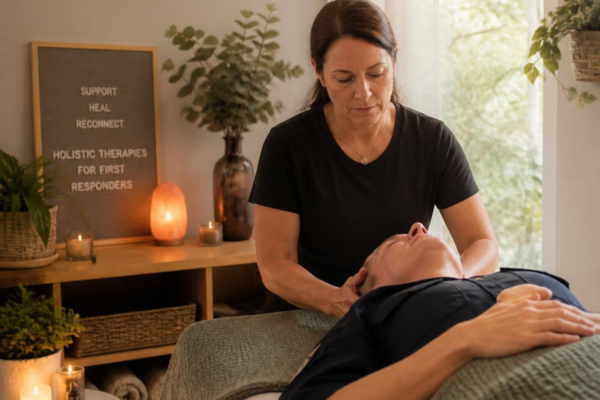
Years of chronic stress leave many first responders feeling emotionally and physically depleted.
Reiki offers a gentle opportunity for the nervous system to slow down.
Many participants describe experiencing:
deep relaxation
emotional release
reduced anxiety
improved sleep
greater inner calm
Sometimes healing begins simply by allowing yourself to rest.
Equine Therapy
Horses naturally respond to authenticity rather than appearance.
They don't care about uniforms, titles, or years of service.
They respond to presence.
Working alongside horses helps many first responders rebuild:
confidence
trust
emotional awareness
self-regulation
resilience
For people who struggle to express emotions verbally, equine therapy can be incredibly powerful.
Light and Sound Therapy
The first responder brain spends countless hours operating in survival mode.
Light and Sound Therapy uses carefully designed sensory stimulation to encourage the brain to shift toward calmer, restorative brainwave patterns.
Many individuals experience:
improved focus
reduced anxiety
mental clarity
deeper relaxation
It's a modern approach to helping an overworked nervous system finally slow down.
Trauma-Informed Movement and Other Holistic Therapies
Healing can also include therapies that reconnect people with their bodies through gentle movement, mindfulness, breathing techniques, creative expression, or other evidence-informed holistic approaches.
Each person responds differently.
Sometimes the therapy that finally creates breakthrough healing is the one you never expected.
Healing Looks Different for Everyone
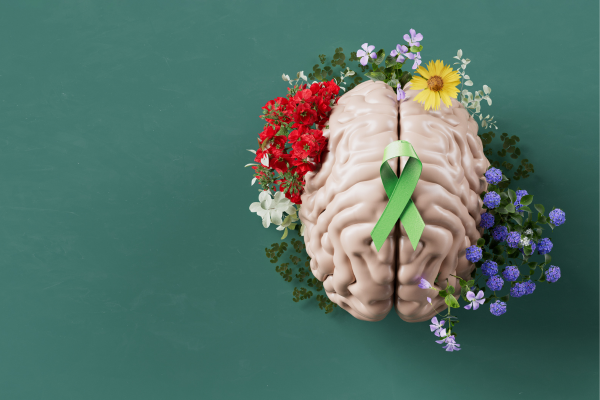
One of the greatest misconceptions about mental health recovery is that there is only one "right" way to heal.
There isn't.
Some first responders respond exceptionally well to psychotherapy.
Others benefit from combining counselling with EMDR.
Some discover meaningful progress through Reiki, equine therapy, acupuncture, or creative therapies.
Others need a combination of several approaches.
Healing is not about fitting into a specific treatment model.
It's about finding the combination that allows you to feel safe, hopeful, and connected again.
Faith Doesn't Mean Never Struggling
Many people associate faith with never experiencing doubt.
Real healing is different.
Faith means believing healing remains possible even when progress feels slow.
Some days will feel easier than others.
There may be setbacks.
Old memories may resurface.
Healing isn't linear.
But every small step matters.
Every therapy session.
Every healthy conversation.
Every moment you choose to care for yourself instead of carrying everything alone.
Those moments build resilience over time.
Families Help Keep Hope Alive
Mental health recovery rarely happens in isolation.
Behind many first responders are spouses, partners, parents, children, siblings, and close friends who quietly carry their own concerns.
They often witness:
interrupted sleep
emotional withdrawal
increased stress
burnout
changes in personality
Supporting someone through trauma isn't easy.
Families don't need to have all the answers.
Sometimes the greatest gift they can offer is patience, compassion, and encouragement to seek professional support.
When one first responder heals, the positive effects extend far beyond the individual.
Families become stronger.
Relationships improve.
Children benefit.
Entire communities become healthier.
Why The Phoenix Foundation Exists
At The Phoenix Foundation, we understand first responder culture because our organization was created by people who understand the realities of service.
We recognize that workplace mental health benefits are often limited.
Many first responders exhaust their available coverage long before completing the care they truly need.
Financial barriers should never determine whether someone receives life-changing support.
That is why The Phoenix Foundation provides access to holistic mental health services at no cost for eligible first responders whose workplace benefits have been exhausted.
Every donation helps ensure another hero receives the opportunity to heal.
Your Future Is Bigger Than Your Trauma
Your experiences have shaped you.
They do not define you.
No matter how many difficult calls you've answered…
No matter how many sleepless nights you've endured…
No matter how long you've carried the weight alone…
Healing remains possible.
Your future still holds moments of joy.
It still holds connection.
It still holds peace.
The road may not be easy, but you don't have to walk it by yourself.
Faith in the future begins with believing that asking for help is not giving up—it is moving forward.
Help Build Hope for Canada's First Responders
Every donation to The Phoenix Foundation helps provide free holistic mental health services to first responders who have exhausted their workplace benefits.
Your support funds therapies that restore hope, rebuild resilience, and remind our heroes that they never have to face recovery alone.
If this message resonated with you, please consider sharing this article with your colleagues, friends, and family.
Together, we can ensure that every first responder has the opportunity to believe in tomorrow again.
Because every hero deserves the chance to heal.
