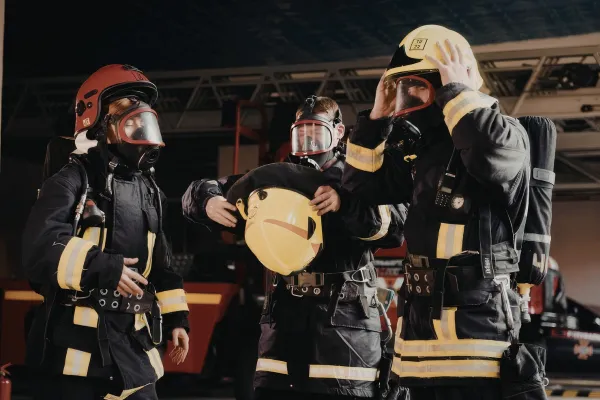
How to Support a First Responder in Your Life
Loving Someone Who Carries the Weight of the World
Loving a first responder means living in two worlds at once.
On one side, there’s everyday life—family, routines, conversations, and shared moments.
On the other, there’s the reality of their work:
Long, unpredictable shifts
Exposure to trauma
Constant high-pressure situations
You may not see everything they experience on the job.
But you feel the effects when they come home.
The exhaustion.
The silence.
The moments when something feels “off,” even if nothing is said.
And naturally, you start asking yourself:
“How can I help?”
You Don’t Need to Be an Expert to Make a Difference

Supporting a first responder doesn’t require clinical training or perfect words.
What it requires is:
Awareness
Patience
Consistency
Small, intentional actions can have a powerful impact over time.
The goal isn’t to “fix” what they’re going through.
It’s to create a safe environment where they don’t have to carry it alone.
Create a Buffer Zone for Decompression
One of the most important transitions in a first responder’s day happens after the shift ends.
They go from:
High alert
Fast decision-making
Emotional intensity
To:
A quiet home
Family interactions
Normal daily life
That shift doesn’t happen instantly.
Why Decompression Matters
The nervous system needs time to downshift.
Without it, stress from the job can spill directly into home life.
How You Can Help
Create a consistent “buffer zone” when they get home.
This might look like:
20–30 minutes of quiet time
Letting them shower or change first
Giving space before asking questions
It’s not distance.
It’s recovery.
That small window helps signal:
“You’re safe now. You’re off duty.”
Listen Without Trying to Fix
When your loved one opens up about a difficult call or experience, your instinct might be to help solve it.
That’s natural.
But in many cases, there is nothing to fix.
And trying to fix it can unintentionally shut down the conversation.
What They Actually Need
Most of the time, they need:
A safe place to speak
Someone who will listen without judgment
Emotional acknowledgment
Not solutions.
What Supportive Listening Sounds Like
Instead of:
“You should…”
“Why didn’t you…”
Try:
“That sounds really heavy.”
“I’m here for you.”
“I’m really glad you told me.”
Simple responses create emotional safety.
And emotional safety builds trust.
Pay Attention to Subtle Changes
Burnout and trauma don’t usually appear overnight.
They build gradually.
Which means early signs can be easy to miss—unless you’re paying attention.
Signs to Watch For
Look for changes like:
Withdrawing from activities they used to enjoy
Increased irritability or mood swings
Difficulty sleeping or constant fatigue
Emotional numbness or detachment
Avoiding conversations or connection
These aren’t personality changes.
They’re signals.
How to Approach the Conversation
Timing and tone matter.
Instead of confrontation, lead with care.
For example:
“I’ve noticed you seem more tired lately. How are you feeling?”
“You don’t seem like yourself. I just want to check in.”
The goal is not to diagnose.
It’s to show that you see them—and you care.
Encourage Professional Support
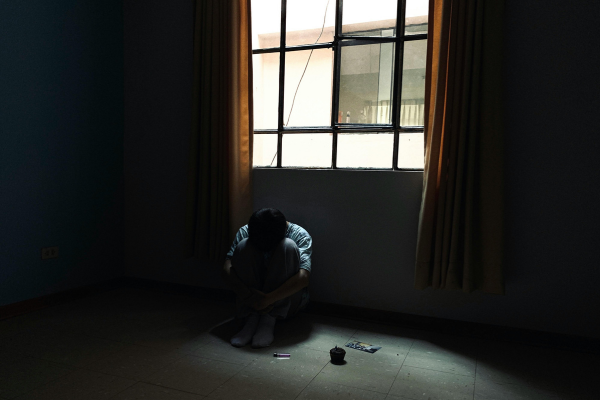
This is one of the most important roles you can play.
Because no matter how supportive you are—
You’re not meant to carry this alone either.
Normalize Seeking Help
Many first responders hesitate to seek support due to:
Stigma
Fear of judgment
Belief they should “handle it themselves”
You can help shift that mindset.
Remind them:
Support is a tool, not a weakness
Mental health care is part of staying strong
Talking to the right professional can make a real difference
Help Lower the Barrier
You can also support by:
Researching resources
Sharing options casually (not forcefully)
Offering to help them take the first step
Even a simple suggestion can plant a seed.
Respect Their Boundaries
Not every first responder will want to talk about their work.
And that’s okay.
Support doesn’t mean pushing for details.
It means:
Letting them share when they’re ready
Respecting when they’re not
Being consistent either way
Trust builds over time—not pressure.
Take Care of Yourself Too
Supporting someone in a high-stress profession can be emotionally demanding.
You may feel:
Worried
Drained
Unsure of what to do
That’s why your well-being matters just as much.
Why It Matters
You can’t pour from an empty cup.
Taking care of yourself allows you to:
Stay grounded
Show up consistently
Avoid burnout yourself
What That Can Look Like
Setting your own boundaries
Talking to someone you trust
Taking breaks when needed
Prioritizing your own mental health
Support works best when it’s sustainable.
You’re Part of Their Support System

Even if it doesn’t always feel like it—
Your presence makes a difference.
The consistency of:
Being there
Listening
Understanding
Creates something powerful:
Stability.
And stability is something first responders rarely experience on the job.
The Phoenix Foundation: Supporting the Whole System
At The Phoenix Foundation, we recognize that mental health doesn’t just affect the individual—it affects families, relationships, and entire support systems.
That’s why we provide:
Free
Confidential
Holistic mental health services
For first responders whose workplace benefits have been exhausted.
Because families should not have to carry this weight alone.
And first responders should never have to choose between healing and affordability.
Stand With Those Who Serve
Supporting a first responder is a role that often goes unseen.
But it matters more than most people realize.
If this blog resonated with you:
Share it with someone who may need it
Start a conversation
Let someone know they’re not alone
And if you’re able—
Consider making a donation.
Your support helps provide life-saving mental health care to the people who protect our communities every day.
Because Support Starts at Home
First responders show up for others in their hardest moments.
And behind every one of them is someone trying to support them the best they can.
You don’t have to be perfect.
You just have to be present.
Because sometimes, the most powerful support is simply this:
“I’m here.”
