Why Mental Health Support is Critical for First Responders
The Cost of Answering the Call
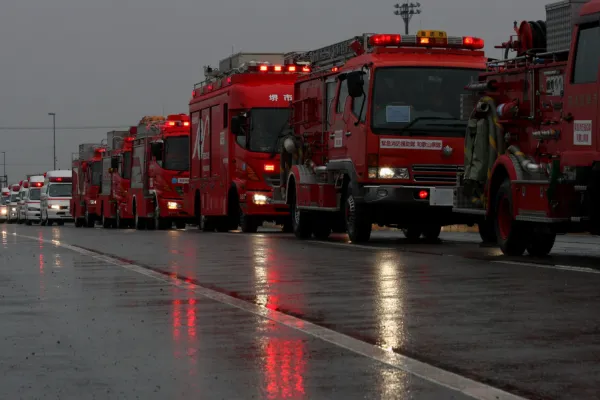
Every day, first responders step into situations most people spend their lives trying to avoid.
Police officers. Firefighters. Paramedics. Dispatchers. Correctional officers.
You move toward danger.
You make decisions under pressure.
You carry responsibility in moments that define lives.
But behind that bravery is a reality that often goes unseen:
The job leaves a lasting impact — mentally, emotionally, and physically.
While the uniform may protect you in the field, it doesn’t shield you from the internal effects of what you experience.
The Hidden Weight of the Job
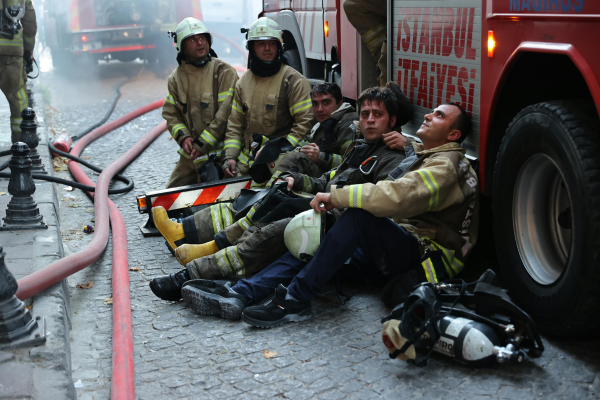
First responder work demands constant readiness.
Your nervous system is trained to stay alert:
Scanning for threats
Responding instantly
Managing unpredictable situations
At the same time, shift work disrupts your natural rhythms:
Sleep becomes inconsistent
Recovery time is limited
Physical exhaustion builds
But the most significant impact comes from cumulative trauma.
It’s not just one difficult call.
It’s:
The repeated exposure to critical incidents
The emotional weight of loss and grief
The mental strain of high-stakes decisions
The time spent away from family and support systems
Over time, these experiences stack.
And without proper support, they don’t fade — they stay.
When the Brain Stays in Survival Mode
Your brain is designed to protect you.
In high-risk situations, it activates survival responses:
Fight
Flight
Freeze
This response is necessary in the moment.
But when it doesn’t switch off, it creates long-term strain.
You may start to feel:
Constantly “on edge”
Easily irritated or overwhelmed
Disconnected from others
Unable to relax, even off duty
Mentally exhausted but unable to rest
This isn’t weakness.
It’s a system that has been overused without enough recovery.
The Culture of Silence
One of the biggest barriers to mental health support in first responder communities is culture.
Strength, resilience, and composure are essential on the job.
But those same qualities can create pressure off the job.
You might feel like:
You need to “push through”
Talking about it won’t help
Others have it worse
Asking for help could affect your reputation
This creates silence.
And silence creates isolation.
Why Ignoring Mental Health Doesn’t Work

Unprocessed stress doesn’t disappear.
It shows up in different ways:
Chronic fatigue
Burnout
Anxiety or depression
Anger or irritability
Withdrawal from relationships
Over time, this can affect:
Job performance
Physical health
Personal relationships
Overall quality of life
Ignoring it doesn’t make you stronger.
It makes the load heavier.
Reframing Support as Strength
Mental health care is not about fixing something that is “broken.”
It’s about maintaining a system that has been under constant pressure.
Seeking support means:
You recognize the impact of your work
You want to stay effective long-term
You are taking responsibility for your well-being
That’s not weakness.
That’s leadership — especially in a profession where others depend on you.
How Mental Health Support Saves Lives
Access to proper mental health care does more than reduce stress.
It changes outcomes.
When first responders receive consistent, effective support, they are better able to:
Process traumatic experiences
Regulate emotional responses
Improve sleep and recovery
Maintain healthy relationships
Stay engaged and focused on the job
Most importantly, it helps reduce the risk of:
Severe burnout
Depression
Post-traumatic stress
Support doesn’t just help you cope.
It protects your life — and the lives connected to yours.
Why One Approach Isn’t Enough
Traditional mental health care, like talk therapy, is valuable.
But it doesn’t work the same for everyone.
For many first responders, trauma is not just something you think about.
It’s something your body reacts to.
That’s why a more complete approach is often needed.
The Role of Holistic Mental Health Support

Holistic care focuses on the full picture:
Mind
Body
Nervous system
It provides alternative ways to process stress, including:
EMDR (Eye Movement Desensitization and Reprocessing)
Somatic or body-based therapies
Equine therapy
Reiki and energy-based therapies
Art and music therapy
These approaches help:
Release stored tension
Calm the nervous system
Reduce emotional intensity
Restore a sense of balance
They don’t replace traditional care.
They strengthen it.
Stronger First Responders, Stronger Communities
When first responders are supported, the impact extends beyond the individual.
It affects:
Families
Teams
Departments
Entire communities
A well-supported first responder is:
More focused
More present
More resilient
Better equipped to handle stress
Mental health care is not just personal.
It’s public safety.
A Message to First Responders
If you’re feeling the weight of the job, you’re not alone.
And you’re not expected to carry it without support.
You’ve trained for every type of emergency.
Mental health support is simply another tool — one that helps you stay effective, grounded, and present.
You deserve access to that support.
A Message to Families and Supporters
If you know a first responder, you may see the effects before they do.
You can help by:
Starting conversations
Sharing resources
Encouraging support without pressure
Being patient and understanding
Sometimes, the first step toward help begins with someone else opening the door.
The Phoenix Foundation: Answering the Call
At The Phoenix Foundation, we believe that mental health care should never be out of reach for those who serve.
We provide:
Free
Confidential
Holistic mental health services
For first responders whose workplace benefits have been exhausted.
Our mission is simple:
When a hero reaches out, the answer should always be “yes.”
Help Us Answer the Call
First responders spend their lives protecting others.
Now it’s our turn to protect them.
If this message resonates with you:
Share this blog to raise awareness
Start a conversation within your network
Support the mission
Your contribution helps provide real, life-saving care.
Every donation goes directly toward mental health support for those on the front lines.
Because No One Should Carry This Alone
Mental health support is not optional in high-stress professions.
It’s essential.
And with the right resources, recovery isn’t just possible — it’s sustainable.
Together, we can ensure that every first responder has access to the care they need.
