The Healing Power of Nature: Reconnecting First Responders with the Outdoors
For first responders, life often unfolds in high-pressure environments. Police officers, firefighters, paramedics, dispatchers, military personnel, and correctional officers spend their days navigating emergencies, making split-second decisions, and carrying the emotional weight of situations that most people never witness.
Over time, this constant exposure to stress can create a sense of disconnection—not only from family and friends, but also from yourself. The demands of the job can make it difficult to slow down, breathe deeply, and simply exist outside of survival mode.
Yet there is a powerful source of healing that has been available all along: nature.
The outdoors offers something that emergency work rarely allows—stillness. Whether it is the quiet of a forest trail, the rhythm of ocean waves, or the warmth of sunlight filtering through the trees, nature has an extraordinary ability to calm the mind and restore the spirit.
At The Phoenix Foundation, we believe that healing can happen in many places. Sometimes, it begins not in an office or a therapy room, but in the natural world around us.
Why Nature Heals
Humans are wired to connect with nature. Research continues to show that spending time outdoors can have measurable benefits for both physical and mental health.
Time in nature has been linked to:
Lower stress levels and reduced cortisol production
Improved mood and emotional well-being
Reduced symptoms of anxiety and depression
Better focus and concentration
Lower blood pressure and heart rate
Improved sleep quality
Increased physical activity
For first responders, these benefits are especially important. The nervous system spends so much time in a heightened state of alertness that it often forgets how to relax. Nature creates an environment where the body can begin to shift from "fight or flight" into a state of rest and recovery.
The outdoors asks nothing of you. There are no radios to answer, no emergencies to solve, and no expectations to meet. There is simply space to breathe.
The Connection Between Trauma and the Natural World
Trauma affects more than thoughts and emotions. It impacts the body, the nervous system, and even your sense of connection to the world around you.
Many first responders describe feeling numb, detached, or emotionally exhausted after years on the job. Activities they once enjoyed may no longer bring the same sense of peace or fulfillment.
Nature-based practices can help rebuild that connection.
The sounds of birds, flowing water, and rustling leaves gently engage the senses without overwhelming them. Walking along a trail encourages movement and mindfulness. Sunlight, fresh air, and open spaces remind us that healing is possible—even after difficult experiences.
Nature does not erase trauma, but it can create the conditions for recovery.
Forest Bathing: Slowing Down and Being Present
One of the most effective nature-based wellness practices is forest bathing, known in Japan as shinrin-yoku.
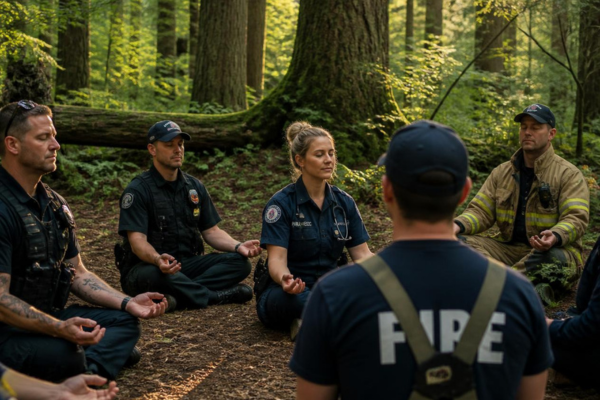
Despite its name, forest bathing does not involve water. Instead, it is the practice of immersing yourself in a natural setting and intentionally noticing the sights, sounds, and smells around you.
A forest bathing experience might include:
Listening to birdsong
Feeling the breeze on your skin
Observing sunlight through the trees
Noticing the scent of pine or earth
Walking slowly and without distraction
For first responders accustomed to operating at full speed, forest bathing offers permission to slow down. It encourages mindfulness and creates space for your nervous system to relax.
Outdoor Yoga and Mindful Movement
Trauma often lives in the body. Tight muscles, chronic pain, headaches, and exhaustion can become part of daily life for emergency personnel.
Practicing yoga outdoors combines the benefits of mindful movement with the calming effects of nature. The fresh air, open space, and natural surroundings can make it easier to reconnect with your body and release tension.
Outdoor yoga can help:
Improve flexibility and mobility
Reduce stress and anxiety
Enhance body awareness
Promote emotional regulation
Encourage deeper breathing
You do not need prior experience to benefit. Even gentle stretching in a park or backyard can help restore balance.
Hiking and Walking for Mental Clarity
Sometimes healing begins with something as simple as taking a walk.
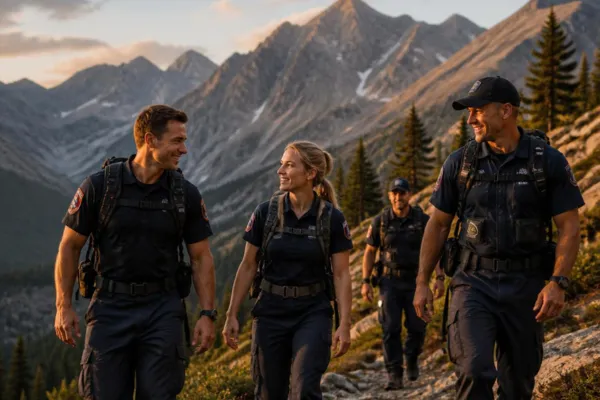
Hiking and walking provide physical exercise while creating opportunities for reflection and emotional processing. Unlike the fast pace of emergency work, walking encourages a slower rhythm that allows the mind to settle.
Whether it is a short stroll through a local park or a weekend hike, spending time outdoors can:
Clear mental clutter
Improve concentration
Reduce feelings of overwhelm
Increase energy levels
Strengthen overall well-being
The destination matters less than the act of moving and reconnecting with the world around you.
Gardening: Finding Peace Through Growth
Healing does not always require mountains or forests. Sometimes it can happen in your own backyard.
Gardening offers a hands-on opportunity to nurture life, establish routines, and reconnect with the present moment. Planting seeds, watering flowers, or growing vegetables can provide a sense of accomplishment and purpose.
For many first responders, gardening becomes a quiet form of therapy—one that encourages patience, mindfulness, and hope.
Watching something grow can serve as a powerful reminder that healing also happens gradually, often in ways we cannot immediately see.
Nature Retreats and Intentional Rest
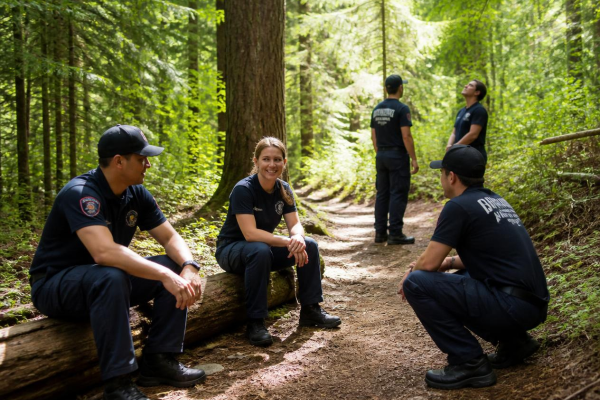
For those seeking deeper restoration, nature retreats can provide an opportunity to step away from daily responsibilities and focus entirely on well-being.
Retreats may include:
Guided mindfulness practices
Hiking excursions
Yoga sessions
Group discussions
Quiet reflection
Wellness workshops
Stepping away from the constant demands of work can help first responders gain perspective, recharge emotionally, and reconnect with what matters most.
Even a single weekend immersed in nature can have lasting benefits.
A Message of Hope
Imagine standing beneath towering trees, breathing deeply as sunlight filters through the branches above. Imagine hearing nothing but birdsong and the sound of wind moving through the leaves. Imagine feeling grounded, calm, and connected again.
This is the healing power of nature.
You do not have to travel far or make dramatic changes to experience its benefits. Healing can begin with a short walk, a quiet moment outdoors, or simply taking the time to notice the world around you.
To family members and friends: encourage your loved one to reconnect with nature in whatever way feels meaningful. Sometimes the smallest steps—a walk together, an afternoon in the garden, or time spent outdoors—can become powerful moments of healing.
The natural world has always been there, waiting patiently to remind us that growth, resilience, and renewal are possible.
