
The Mind-Body Connection: Holistic Healing for First Responders
When Your Body Keeps the Score

As a first responder, you’re trained to stay composed under pressure.
You manage chaos.
You control your reactions.
You push through discomfort to get the job done.
But even when your mind stays strong…
your body remembers.
The tension in your shoulders.
The headaches that don’t fully go away.
The restless sleep.
The constant feeling of being “on edge.”
These aren’t random symptoms.
They’re signals.
They’re your body’s way of telling you that what you’ve experienced hasn’t fully processed — it’s been stored.
At The Phoenix Foundation, we recognize that healing isn’t just mental. It’s physical, emotional, and neurological. And real recovery begins when you address all of it — together.
Understanding the Mind-Body Connection
The mind and body are not separate systems.
They are constantly communicating.
Every stressful call, every traumatic event, every moment of high alert activates your nervous system. In the moment, that response helps you survive.
But when that state becomes constant, it starts to take a toll.
Your body may remain in:
Fight-or-flight mode
Muscle tension and guarded posture
Rapid or shallow breathing
Heightened alertness, even at rest
Over time, this can lead to:
Chronic pain
Fatigue
Anxiety or irritability
Difficulty sleeping
Emotional disconnection
Even when you know you’re safe, your body may not feel that way.
That’s the disconnect.
Why Traditional Approaches Don’t Always Reach the Body
Talk therapy can be incredibly helpful — but it primarily works at the level of thoughts and language.
For first responders, trauma often lives deeper than that.
It’s not just something you remember.
It’s something your body reacts to.
That’s why you might:
Understand a situation logically, but still feel triggered
Know you’re safe, but still feel tense
Talk about an event, but still feel its impact physically
This doesn’t mean therapy isn’t working.
It means your healing may need to include the body as well.
What Holistic Healing Does Differently
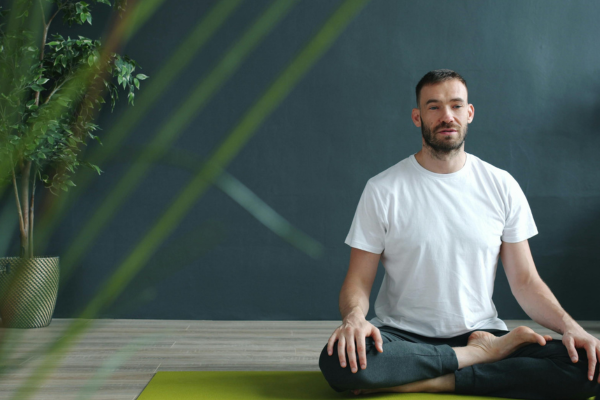
Holistic practices are designed to work with the entire system — mind, body, and nervous system.
Instead of focusing only on thoughts, they help:
Release stored physical tension
Calm the nervous system
Improve emotional regulation
Restore a sense of safety in the body
The result isn’t just understanding your stress — it’s actually feeling different.
More grounded.
More relaxed.
More in control.
Building Resilience From the Inside Out
Resilience isn’t just about pushing through.
It’s about recovery.
It’s about how quickly your system can return to a state of calm after stress.
Holistic practices strengthen this ability by:
Training the nervous system to regulate
Reducing baseline stress levels
Creating space between stimulus and reaction
Helping your body recognize safety again
Over time, this builds a kind of resilience that feels sustainable — not forced.
Holistic Practices That Restore Mind-Body Balance
At The Phoenix Foundation, we connect first responders with therapies that directly support the mind-body connection.
Here are some of the most effective approaches:
Trauma-Informed Movement: Releasing Tension Safely
Trauma-informed practices combine gentle movement with awareness.
They help you:
Release stored stress from the body
Improve breathing patterns
Reconnect with physical sensations
Feel safe in your own body again
There’s no pressure to perform — only to experience.
Acupuncture: Regulating the Nervous System
Acupuncture supports the body’s natural ability to restore balance.
It can:
Calm the nervous system
Reduce inflammation and pain
Improve sleep
Promote relaxation
For many first responders, it provides both physical and emotional relief at the same time.
Light and Sound Therapy: Resetting Brainwave Activity
Light and sound therapy uses specific frequencies to guide your brain into calmer states.
It helps:
Quiet a racing mind
Reduce anxiety
Improve focus
Promote deep relaxation
It’s a passive experience — you don’t have to do anything except allow your brain to settle.
Reiki and Energy-Based Therapies: Deep Internal Reset
Energy-based therapies work on subtle systems within the body.
They support:
Emotional release
Deep relaxation
A sense of grounding and calm
For those constantly operating in high-alert mode, this can feel like finally slowing down
Art and Music Therapy: Processing Without Words
Creative therapies allow you to express what may not be easy to explain.
They help:
Reduce emotional pressure
Improve mood
Access deeper emotional layers
Create a safe outlet for expression
You don’t need skill — just openness.
What Reconnection Feels Like
When the mind and body begin to reconnect, changes often show up in subtle but meaningful ways.
You may notice:
Your body feels less tense
Your breathing becomes more natural
Your reactions feel less intense
You can relax without effort
Your sleep improves
Your mind feels quieter
These aren’t small changes.
They’re signs that your system is starting to heal.
You Don’t Have to Stay in Survival Mode
Living in constant alert isn’t sustainable.
And it’s not something you have to accept as “part of the job.”
Your body was never meant to stay in survival mode indefinitely.
It was meant to:
Activate when needed
Recover afterward
Return to balance
Holistic practices help restore that natural rhythm.
A Message of Hope
If your body feels tense, tired, or overwhelmed — it’s not a sign that something is wrong with you.
It’s a sign that your system has been working hard to protect you.
And it may be ready for something different.
Imagine:
Feeling calm without forcing it
Being present without distraction
Resting without tension
Moving through your day with clarity
That version of you is still there.
Healing is simply the process of reconnecting with it.
For Families and Support Systems

If you’re supporting a first responder, you may notice the physical signs of stress before they do.
You can help by:
Sharing resources like this
Encouraging holistic options
Supporting their recovery without pressure
Being patient as they navigate change
Sometimes, healing begins with awareness — and your support can make that possible.
The Phoenix Foundation: Supporting Whole-Person Healing
At The Phoenix Foundation, we believe mental health care should go beyond conversation.
We provide holistic therapies at no cost to first responders whose workplace benefits have been exhausted.
Our mission is to:
Support healing at every level
Provide access to alternative therapies
Help first responders reconnect with themselves
You’ve taken care of others for so long.
Now it’s time to restore your own balance.
Start Reconnecting Today
You don’t need to overhaul your life overnight.
You don’t need to have all the answers.
You just need to start.
One step.
One session.
One moment of awareness.
Your mind and body are already trying to guide you.
Now is the time to listen.
