The Ripple Effect: How Supporting First Responders Benefits Entire Communities
One Person’s Healing Doesn’t Stay With One Person
When a first responder answers a call, they don’t carry the responsibility alone.
They carry:
The expectations of their role
The trust of their team
The safety of their community
But when the call ends, something else follows them home:
The emotional weight of what they’ve experienced.
What many people don’t realize is that mental health is not just personal.
When a first responder struggles, the effects extend outward.
And when they heal?
That impact spreads even further.
Understanding the Ripple Effect
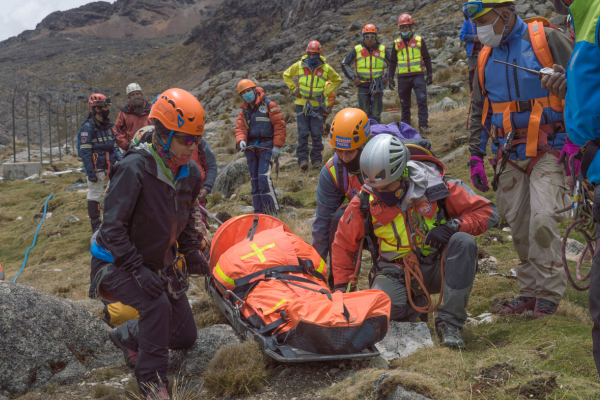
Mental health is deeply interconnected.
One person’s well-being affects:
Their family
Their colleagues
Their environment
Their community
For first responders, this connection is even stronger.
Because their role places them at the center of high-stakes situations where clarity, emotional control, and decision-making matter.
When they are supported, the benefits multiply.
Bringing Peace Back Home
The job doesn’t stay at work.
Long shifts, exposure to trauma, and emotional pressure often follow first responders into their personal lives.
Even with the best intentions, many try to:
Keep their experiences to themselves
Protect their loved ones from what they’ve seen
“Handle it” internally
But silence can create distance.
It can look like:
Emotional withdrawal
Irritability or fatigue
Difficulty being present
Strained communication
Not because they don’t care —
but because they’re carrying too much.
What Happens When Support Is Available
When first responders have access to mental health care, something shifts.
They learn how to:
Process difficult experiences safely
Regulate emotional responses
Separate work from personal life
Reconnect with the people who matter most
The result?
They come home differently.
More present.
More engaged.
More connected.
Stronger Families Start With Support
When one person in a household begins to heal, the entire dynamic changes.
Communication improves
Emotional safety increases
Relationships grow stronger
Children feel it.
Partners feel it.
The home environment changes.
Mental health support doesn’t just help the individual.
It strengthens the entire family unit.
Strengthening the Shift
First responder work is built on trust.
Every call depends on teamwork:
Clear communication
Fast coordination
Mutual awareness
When one team member is struggling silently, it affects more than just them.
It can lead to:
Slower reaction times
Miscommunication
Increased risk during critical situations
Changing the Culture From Within
When a first responder chooses to prioritize their mental health, it creates a powerful shift.
It sends a message:
“It’s okay to take care of yourself.”
This helps:
Break the stigma around seeking help
Encourage open conversations
Normalize support within the team
Over time, this builds a healthier culture — one where strength includes self-awareness and recovery.
A Mentally Healthy Team Performs Better
When teams are supported, they become:
More focused
More communicative
More responsive under pressure
More reliable in critical moments
This doesn’t just improve performance.
It increases safety — for everyone involved.
Safer Communities for Everyone
First responders meet people on the worst days of their lives.
In those moments, how they show up matters.
A mind under constant strain may struggle with:
Emotional fatigue
Reduced patience
Increased reactivity
But a supported mind operates differently.
The Difference Support Makes in the Field
When first responders receive proper mental health care, they are better able to:
Stay calm under pressure
Make clear, informed decisions
De-escalate tense situations
Respond with empathy and control
These are not small improvements.
They directly affect outcomes in real-world situations.
Public Safety Starts With Mental Wellness
A mentally supported first responder is:
More present
More aware
More capable of handling complexity
This leads to:
Safer interactions
Better decision-making
Stronger trust between communities and responders
Supporting their mental health is not just personal care.
It’s community protection.
The Ripple Effect in Action
When one first responder receives support:
They feel relief.
Their family feels stability.
Their team feels stronger.
Their community becomes safer.
That’s the ripple effect.
And it starts with access to care.
A Message to First Responders
If you’re carrying the weight of the job, know this:
Taking care of yourself doesn’t just help you.
It helps everyone connected to you.
You don’t have to hold everything alone.
Support is not just available —
it’s necessary.
A Message to Families and Supporters
If you support a first responder, your role matters more than you may realize.
You can help by:
Encouraging open conversations
Supporting their decision to seek help
Sharing resources
Being patient during the process
Healing takes time — but support makes it possible.
The Phoenix Foundation: Creating the Ripple
At The Phoenix Foundation, we exist to make this ripple possible.
We provide:
Free
Confidential
Holistic mental health services
For first responders whose workplace benefits have been exhausted.
Our goal is simple:
Support one individual — and strengthen everything connected to them.
Be Part of the Ripple Effect

Change doesn’t happen all at once.
It starts with one action.
One conversation.
One decision.
One act of support.
If this message resonates with you:
Share this blog with your network
Help raise awareness about first responder mental health
Start conversations that matter
And if you’re able:
Consider making a donation.
Because One Act of Support Reaches Further Than You Think
Your contribution does more than fund a service.
It:
Helps a first responder heal
Strengthens a family
Supports a team
Protects a community
That’s the power of the ripple effect.
Together, we can create lasting impact — one life at a time.
