

Article
Chinese Medicine & Acupuncture for First Responders
The Hidden Physical Cost of Service
As a first responder, you are trained to act with precision and control. You compartmentalize pain, push through exhaustion, and keep moving — even when your body is asking for rest. This resilience is what allows you to serve in moments of crisis, but over time, it comes at a cost.
Years of high-stress calls, irregular sleep, physical strain, and emotional trauma often show up not just mentally, but physically. Chronic back or neck pain from heavy gear. Digestive issues caused by stress. Migraines that won’t let go. Insomnia that keeps your nervous system on high alert.
Your body keeps the score, even when your mind tries to push forward.
At The Phoenix Foundation, we believe healing must address the whole person — body, mind, and nervous system. This is where the ancient wisdom of Traditional Chinese Medicine (TCM) and acupuncture can offer powerful relief.
Understanding Traditional Chinese Medicine

Traditional Chinese Medicine has been practiced for thousands of years and is built on a simple but profound principle: the body is an interconnected system.
Rather than treating symptoms in isolation, TCM focuses on restoring balance within the entire body. Health is seen as the smooth flow of life energy, known as Qi (pronounced chee). When Qi flows freely, the body functions optimally. When it becomes blocked or imbalanced, pain and illness can emerge.
For first responders, trauma, stress, injury, and chronic fatigue can disrupt this balance — leading to both physical discomfort and emotional distress such as anxiety, irritability, or burnout.
More Than Just Needles
When people hear “acupuncture,” they often imagine discomfort or something unfamiliar. In reality, acupuncture is a gentle, precise, and highly regulated practice.
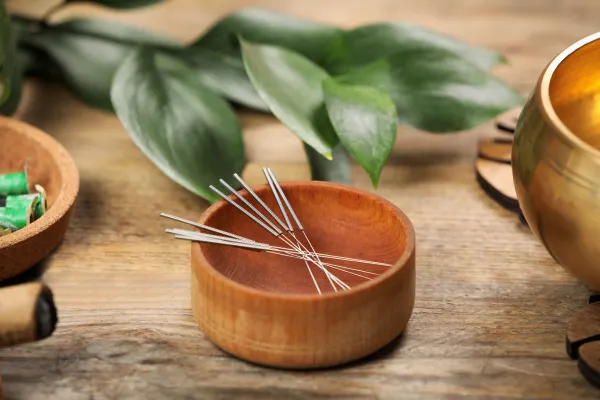
Acupuncture works by inserting ultra-thin, sterile needles into specific points on the body. These points are connected to pathways that influence:
The nervous system
Circulation
Hormonal balance
Inflammation and pain response
Rather than targeting a single symptom, acupuncture helps the body re-regulate itself.
For first responders, this can mean:
Reduced muscle tension
Relief from chronic pain
Improved sleep quality
Calmer emotional responses
Increased energy and resilience
How Acupuncture Supports Trauma Recovery
Trauma doesn’t only live in memory — it lives in the body. Chronic activation of the fight-or-flight response can keep muscles tense, digestion disrupted, and sleep shallow.
Acupuncture helps shift the nervous system from sympathetic activation (stress mode) into parasympathetic regulation (rest and repair).
This allows the body to:
Release stored tension
Lower stress hormones
Improve circulation and healing
Rebuild internal balance
Many first responders report feeling deeply relaxed during sessions — sometimes for the first time in years.
What to Expect During a Session

It’s normal to feel hesitant when trying something new. Acupuncture is safe, minimally invasive, and performed by licensed professionals.
During a session:
You remain fully clothed or partially clothed as needed
Needles are hair-thin and often barely felt
You rest comfortably in a quiet environment
Most people describe sensations such as:
Gentle warmth
Tingling
Heaviness or lightness
Deep calm
Think of acupuncture as a reset button for a body that has been running in overdrive.
Treating the Physical Toll of the Job
Acupuncture is especially effective in addressing the physical demands of emergency service work, including:
Back, neck, and shoulder pain from heavy equipment
Joint pain from repetitive strain
Headaches and migraines
Digestive issues caused by stress
Sleep disturbances and fatigue
By addressing these physical symptoms, acupuncture also supports emotional healing — helping the body feel safe enough to rest.
A Powerful Complement to Mental Health Care
Acupuncture works beautifully alongside:
Talk therapy
EMDR
Hypnotherapy
Reiki and other holistic treatments
While talk therapy helps process experiences cognitively, acupuncture supports healing at the somatic level — where trauma is often stored.
Together, these approaches create a more complete and sustainable healing journey.
A New Path to Hope
If you feel like you’ve tried everything to manage pain, stress, or exhaustion, we encourage you to stay open. Healing does not always come from where we expect it.
Ancient practices can offer modern solutions — ones that you can feel in your body, not just understand intellectually.
You do not have to accept chronic pain or constant stress as “part of the job.” Relief is possible.
Mental Health and Healing Without Financial Barriers

At The Phoenix Foundation, we believe that cost should never stand in the way of recovery.
We provide access to acupuncture and Traditional Chinese Medicine at no cost to first responders whose workplace benefits have been exhausted. This ensures that healing remains accessible when it is needed most.
This mission is made possible by donors who believe that those who serve deserve comprehensive care.
Help Us Provide Lifesaving Care
Your support directly impacts lives.
A single donation can:
Ease a veteran officer’s chronic pain
Help a paramedic sleep through the night
Reduce anxiety that has gone untreated for years
By donating to The Phoenix Foundation, you are helping modern heroes heal through time-tested care.
Everyone deserves to heal — and your generosity makes it possible.

The Phoenix Foundation is not staffed to offer emergency mental health services.
If you need immediate help, please click on the BUTTON below.
Office Location
Varsity Medical Professional Building
8 Varsity Estates Circle NW
3rd Floor
Calgary, Alberta
T3A 2Z3
Links
Get In Touch