Article
Reiki for First Responders | Finding Balance and Peace
Living at Full Throttle
When the call comes in, your body responds instantly. Adrenaline surges. Focus sharpens. Training takes over. Whether you are responding to a medical emergency, a violent incident, or a life-or-death rescue, you operate at full throttle — because lives depend on it.
But when the shift ends, does the engine ever truly cool down?
For many first responders, the answer is no. The nervous system remains locked in high alert. The noise of the job — sirens, radio chatter, critical decisions, and emotional weight — follows you home. Even in quiet moments, your body may feel tense, restless, or unable to fully relax.
At The Phoenix Foundation, we understand that healing doesn’t always begin with words. Sometimes, healing begins with stillness.
When the Nervous System Can’t Shut Off
First responders spend years training their bodies and minds to react quickly. Over time, this constant activation of the fight-or-flight response can overwhelm the nervous system.
Instead of returning to balance, the body stays stuck in survival mode. This can show up as:
Chronic stress or anxiety
Difficulty sleeping or staying asleep
Physical tension or unexplained pain
Emotional exhaustion or numbness
Feeling constantly “on edge”
These responses are not personal failures — they are the body’s natural reaction to prolonged exposure to trauma and high stress.
To heal, the nervous system must be given permission to slow down.
What Is Reiki?

Reiki (pronounced ray-key) is a Japanese stress-reduction and relaxation technique that supports the body’s natural healing processes. While it may be unfamiliar to some in the emergency services community, Reiki is best understood as a gentle reset for an overworked nervous system.
Rather than analyzing or reliving traumatic experiences, Reiki focuses on restoring balance within the body.
Trauma and chronic stress can disrupt the body’s natural energy flow, creating blockages that manifest as emotional overwhelm, anxiety, fatigue, or physical discomfort. Reiki works to gently release these blockages, allowing the body to return to a calmer, more regulated state.
A Reset Button for the Body and Mind
Think of Reiki as charging a battery that has been running on empty for far too long.
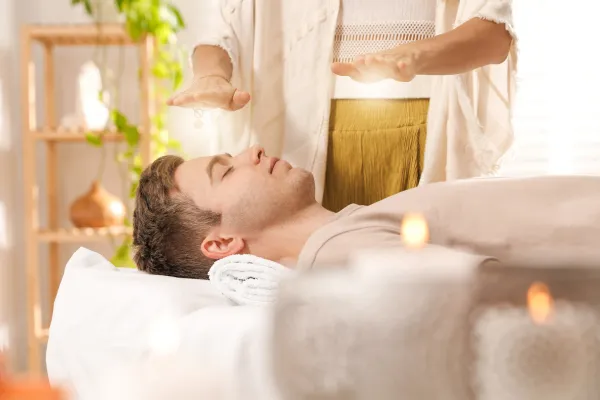
During a Reiki session:
You remain fully clothed
You lie comfortably in a quiet space
A trained practitioner uses light touch or places their hands just above the body
No physical manipulation is involved
The goal is not to “fix” you — it is to help your body remember how to rest.
Many first responders describe Reiki as the first time their body truly relaxed in years.
No Words Required
One of the biggest barriers to traditional mental health support is the pressure to talk. Retelling difficult calls, explaining emotions, or putting trauma into words can feel exhausting — or even re-traumatizing.
Reiki offers a different path.
There is:
No need to explain what happened
No requirement to justify your feelings
No expectation to relive painful memories
You simply show up.
The body does the work, quietly and gently.
What First Responders Experience During Reiki
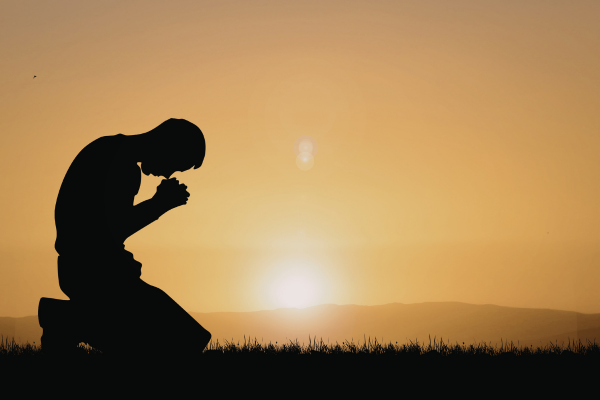
While every session is unique, many first responders report sensations such as:
Warmth or gentle tingling
A feeling of heaviness or lightness
Deep relaxation or emotional release
A profound sense of calm and safety
Most importantly, Reiki helps shift the body from fight-or-flight into rest-and-digest, the state where true healing can begin.
Over time, this can support:
Improved sleep
Reduced anxiety
Emotional regulation
Greater resilience to stress
Reiki as a Complement to Other Therapies
Reiki is not a replacement for talk therapy, EMDR, or medical care — and it doesn’t need to be.
It works beautifully alongside other treatments by:
Preparing the nervous system for deeper healing
Reducing emotional overwhelm
Supporting integration after trauma-focused therapies
For first responders who feel stuck, burned out, or emotionally shut down, Reiki can create a safe entry point back into the healing process.
Hope Is a Quiet Strength
Healing does not always arrive with breakthroughs or dramatic moments. Sometimes, healing is subtle. It looks like sleeping through the night. Feeling calm in your own body. Taking a deep breath without tension.
If you are struggling with a racing mind, emotional exhaustion, or sleepless nights, please know this:
You are not broken. You are carrying a heavy load — and you deserve a place to set it down.
At The Phoenix Foundation, we believe that quiet forms of healing are just as powerful as loud ones.
Mental Health Support Without Financial Barriers
Our mission is simple: mental health care should be free for first responders whose workplace benefits are exhausted.
At The Phoenix Foundation, Reiki and other holistic therapies are provided at no cost to the individual. Financial stress should never stand in the way of healing.
This promise is only possible because of donors who believe in caring for those who protect our communities.
Help Us Keep the Door Open
When you donate to The Phoenix Foundation, you are doing more than supporting a nonprofit.
You are:
Funding a moment of peace
Giving a first responder permission to rest
Helping someone begin their healing journey
If you are a first responder, we invite you to reach out.
If you are a supporter, please consider making a donation today.
Together, we can ensure that no hero fights this battle alone.

The Phoenix Foundation is not staffed to offer emergency mental health services.
If you need immediate help, please click on the BUTTON below.
Office Location
Varsity Medical Professional Building
8 Varsity Estates Circle NW
3rd Floor
Calgary, Alberta
T3A 2Z3
Links
Get In Touch