Article
Equine Therapy for First Responders | A Path to Healing
When Strength Becomes a Mask
As a first responder, you are trained to read a scene instantly, assess threats, and maintain control under pressure. You project calm in chaos. You make decisions when seconds matter. That ability to stay composed is not just a skill — it is a survival tool.
But what happens when that professional mask becomes difficult to take off?
Over time, the constant need to stay in control can come at a cost. Emotions get pushed aside. Stress becomes internalized. Trauma accumulates quietly. For many first responders, expressing vulnerability can feel unsafe — even when they desperately need relief.
At The Phoenix Foundation, we understand that healing does not always happen through words. Sometimes, healing begins through connection.
Why Horses?

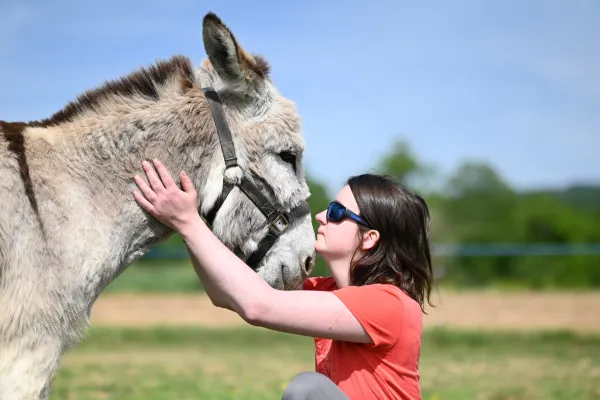
Horses do not care about your uniform, rank, or reputation. They do not respond to authority, bravado, or tough exteriors. These powerful, intuitive animals respond only to what is real.
Horses are prey animals with highly sensitive nervous systems. They are constantly reading body language, energy, and emotional cues to stay safe. If a person is anxious, the horse senses it immediately. If a person is calm and grounded, the horse relaxes.
This natural responsiveness is the foundation of equine therapy.
Rather than asking you to talk about trauma, horses reflect your internal state back to you — honestly and without judgment.
What Is Equine Therapy?
Equine therapy is a structured, therapeutic approach that involves guided interactions with horses to support emotional regulation, self-awareness, and trauma recovery.
Importantly:
It does not require horseback riding
Sessions are facilitated by trained professionals
The focus is on connection, presence, and emotional regulation
For first responders, equine therapy offers a rare opportunity to step out of hypervigilance and into a space where authenticity matters more than control.
Building Trust Without Saying a Word
Working alongside a 1,200-pound animal requires full presence. You cannot rush. You cannot fake calm. You must regulate your breathing, posture, and attention — because the horse is responding to every signal you send.
To lead a horse, you must first lead yourself.
This experience can be deeply transformative for first responders who are accustomed to command-based environments. Equine therapy gently shifts the focus from control to partnership.
There is no judgment from a horse.
No expectation to explain.
No pressure to perform.
Only honest feedback.
What First Responders Learn Through Equine Therapy

Interacting with horses can help first responders:
Regulate the nervous system
Increase emotional awareness
Rebuild trust — in themselves and others
Develop patience and presence
Release stored stress without verbal processing
Many participants discover emotions they didn’t realize they were carrying. Others simply experience a sense of calm they haven’t felt in years.
Healing unfolds naturally — without interrogation or analysis.
A Safe Space for Vulnerability
For those who struggle to open up in traditional therapy, equine therapy offers a powerful alternative. The barn becomes a neutral ground. The horse becomes a silent partner.
Emotions like fear, frustration, grief, and vulnerability can surface safely — without needing to be named.
This can be especially valuable for first responders who:
Feel emotionally shut down
Have difficulty trusting others
Are tired of explaining their experiences
Feel stuck despite trying other therapies
A Different Kind of Debrief
In emergency services, debriefs often focus on what went right, what went wrong, and what needs improvement. Emotional impact is rarely addressed — and even more rarely processed.
Equine therapy offers a different kind of debrief.
One where:
The nervous system slows down
The body feels safe
The mind stops racing
Healing doesn’t always happen in an office.
Sometimes, it happens in a quiet barn, beside an animal that understands you without you saying a word.
Why Equine Therapy Works for Trauma
Trauma lives in the body, not just the mind. Equine therapy works on a somatic level, helping regulate the nervous system through presence, rhythm, and connection.
Horses help first responders:
Reconnect with their bodies
Experience safety in the moment
Build awareness without reliving trauma
This makes equine therapy a powerful complement to:
Talk therapy
EMDR
Hypnotherapy
Reiki and other nervous-system-based therapies
Mental Health Support Without Financial Barriers

At The Phoenix Foundation, we believe that healing should never be limited by cost.
Equine therapy and other holistic services are provided at no cost to first responders whose workplace benefits have been exhausted. This ensures that when someone reaches out, financial stress does not stand in the way of recovery.
This commitment is made possible by donors who believe in caring for those who protect our communities.
Support Our Heroes’ Healing Journey
When you donate to The Phoenix Foundation, you are doing more than funding a program.
You are:
Supporting trauma-informed care
Giving a first responder space to heal
Helping restore trust, calm, and connection
Your generosity helps ensure that innovative therapies like equine therapy remain accessible to those who need them most.
Everyone deserves to heal.
Our heroes should never have to do it alone.

The Phoenix Foundation is not staffed to offer emergency mental health services.
If you need immediate help, please click on the BUTTON below.
Office Location
Varsity Medical Professional Building
8 Varsity Estates Circle NW
3rd Floor
Calgary, Alberta
T3A 2Z3
Links
Get In Touch