Article

Reflexology for First Responders: Stress Relief & Healing
Carrying the Weight — Every Single Day
As a first responder, you are always ready to move.
You stand for long hours. You run toward danger. You stay alert, grounded, and prepared — even when your body is exhausted. Your feet take the impact of every shift, every call, every moment of urgency.
But those same feet don’t just carry your body.
They carry stress.
They carry tension.
They carry the emotional weight of everything you’ve seen and held together.
Over time, that burden builds up. It shows up as chronic fatigue, muscle pain, headaches, digestive issues, restless sleep, or a nervous system that never fully powers down.
At The Phoenix Foundation, we believe healing doesn’t always have to start with words. Sometimes, it starts from the ground up. That’s where reflexology comes in.
What Is Reflexology?

Reflexology is a holistic therapy based on the understanding that the body is deeply interconnected.
Specific points on the feet, hands, and ears correspond to organs, muscles, glands, and systems throughout the body. These areas are known as reflex points.
By applying targeted, intentional pressure to these points, a trained reflexology practitioner helps:
Release tension
Improve circulation
Support nervous system regulation
Encourage the body’s natural healing response
It’s not a foot massage — though it is deeply relaxing.
It’s a therapy that works with the body’s internal systems to restore balance.
Why Reflexology Works So Well for First Responders
First responders live in a state of readiness. Your nervous system is trained to stay alert, responsive, and fast.
The problem?
It doesn’t always know when to turn off.
Over time, the body gets stuck in fight-or-flight mode, leading to:
Chronic stress
Inflammation
Digestive problems
Muscle tension
Anxiety or emotional numbness
Reflexology gently signals the nervous system that it’s safe to rest.
It shifts the body from:
Survival mode → Rest and restore
This makes reflexology especially beneficial for those who:
Struggle to relax
Feel disconnected from their bodies
Have difficulty talking about trauma
Carry stress physically rather than emotionally
A Map of the Body Beneath Your Feet
One of the most fascinating aspects of reflexology is how much information the body holds — especially in the feet.
Each foot contains reflex points linked to:
The spine and nervous system
The digestive system
The lungs and heart
Hormonal balance
Stress and emotional regulation
When pressure is applied:
Tight or tender areas may indicate stored tension
Sensations often shift as the body releases stress
Circulation improves, supporting healing throughout the body
Many first responders are surprised by how powerful such a gentle therapy can feel.
What a Reflexology Session Feels Like

Reflexology sessions are quiet, calm, and grounding.
Here’s what most first responders experience:
You remain fully clothed
You lie back comfortably or recline
Pressure is firm but not painful
You don’t have to talk unless you want to
As the session continues, common sensations include:
Deep relaxation
Warmth or tingling
A feeling of heaviness or lightness
Slowing thoughts
A sense of calm spreading through the body
Some people even fall asleep — a sign the nervous system is finally letting go.
Relief Without Words
For many first responders, talking about the job can feel exhausting or unsafe.
Reflexology doesn’t ask you to explain anything.
You don’t have to:
Revisit difficult calls
Find the right words
Justify how you feel
Relive painful memories
You simply show up.
This makes reflexology an ideal option for:
Those new to therapy
Those experiencing burnout
Those who prefer non-verbal healing
Those needing nervous system regulation before deeper trauma work
It can stand alone or complement therapies like EMDR, counseling, or acupuncture.
Physical Benefits First Responders Commonly Report
Because reflexology works through the nervous system and circulation, it often helps with physical symptoms tied to stress and trauma.
Many first responders report improvement in:
Headaches and migraines
Digestive discomfort
Muscle tension and joint pain
Sleep quality
Energy levels
Stress-related fatigue
It’s not about “fixing” one problem — it’s about helping the whole body function more smoothly.
Emotional and Mental Health Benefits
While reflexology is physical, its effects are deeply emotional.
By calming the nervous system, reflexology can help:
Reduce anxiety and irritability
Improve emotional regulation
Increase body awareness
Support feelings of safety and grounding
Create space for emotional release
For those who feel disconnected or numb, reflexology can be a gentle way to reconnect with the body — without pressure or expectation.
Healing Doesn’t Have to Be Hard
There’s a belief in first responder culture that healing has to be intense — that you must “push through” to get better.
Reflexology challenges that idea.
Healing can be:
Gentle
Quiet
Restful
Supportive
You don’t need to suffer more to heal.
Sometimes, easing the nervous system is exactly what allows deeper healing to begin.
Reflexology at The Phoenix Foundation
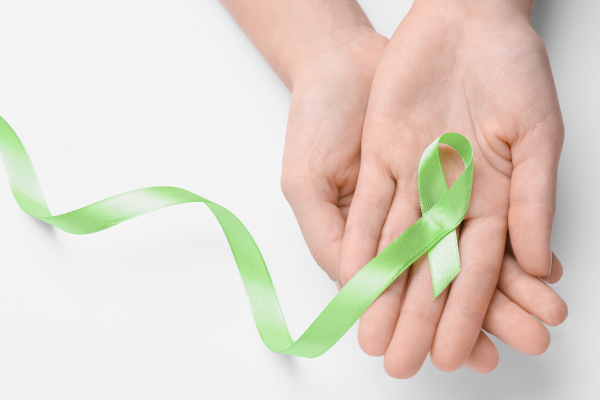
At The Phoenix Foundation, we offer reflexology at no cost to first responders whose workplace benefits have been exhausted.
Our mission is simple:
Mental health care should never be blocked by financial stress.
We provide:
Trauma-informed care
Compassionate practitioners
Safe, judgment-free spaces
Holistic therapies that support real healing
You’ve given everything to protect others.
You deserve care that meets you where you are.
Supporting Those Who Carry the Load
Reflexology sessions are made possible through donations from people who believe in supporting our heroes beyond the uniform.
Your contribution helps provide:
Stress relief for exhausted first responders
Preventative mental health care
Moments of peace for those who rarely get one
One donation can fund an hour of rest.
One donation can help a hero feel lighter — even for a moment.
Please consider supporting The Phoenix Foundation today.
Together, we can ensure no one carries this weight alone.

The Phoenix Foundation is not staffed to offer emergency mental health services.
If you need immediate help, please click on the BUTTON below.
Office Location
Varsity Medical Professional Building
8 Varsity Estates Circle NW
3rd Floor
Calgary, Alberta
T3A 2Z3
Links
Get In Touch